
Top 10 Tips for Successful Home Renovations
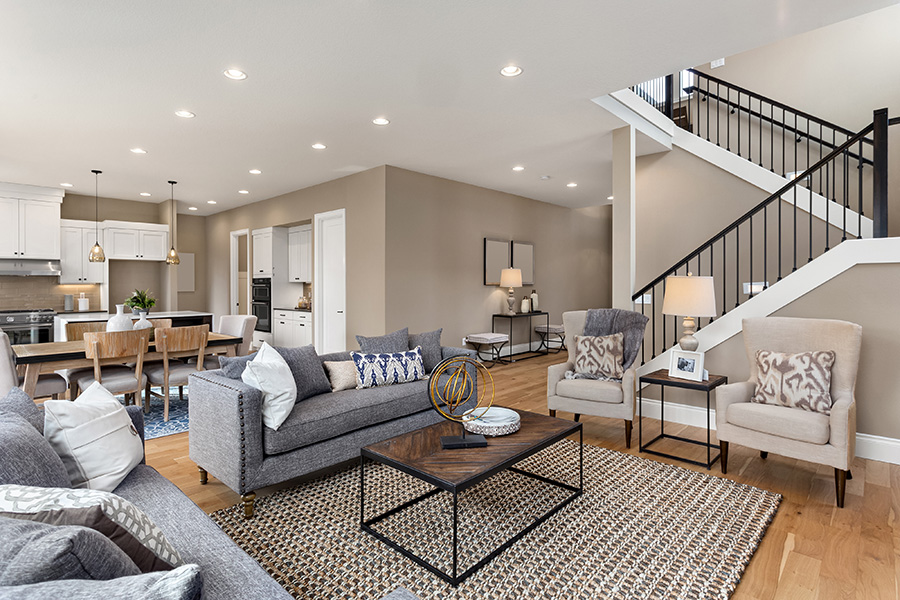
Ready to tackle home renovations? This guide gives you essential tips for every step of the process. Learn how to budget, plan, hire contractors, and more to ensure your renovation is a success.
Key Takeaways
Set a realistic budget before starting renovations and include a contingency for unexpected expenses.
Create a detailed renovation plan, including design goals and a timeline, to keep the project organized and on track.
Choose reputable contractors, understand building codes, and schedule inspections to ensure quality and compliance throughout the renovation.
Determine Your Budget
Before starting any work, determine your budget. Your budget will guide all decisions throughout the renovation process. The typical cost range for home renovations is between $15 and $60 per square foot, but this can vary significantly based on your location and the materials you choose.
For example, kitchen renovations can range from a modest $5,000 for minor updates to a whopping $125,000 for high-end kitchen remodel. A new bathroom renovation also has a broad cost spectrum, from $2,500 for standard updates to as much as $30,000 for extensive primary bath remodels. These potential costs help set a realistic budget and avoid surprises.
Consider various funding options for your renovation. Cash is king, of course, but unsecured loans and home equity lines of credit are also viable choices. Be cautious with home equity loans, though, as they can put your home at risk if you’re unable to repay. Always include a contingency of more than 20% in your budget to cover unexpected expenses.
Ineffective budget management can lead to overspending and debt. Keep track of every expense, and prioritize spending on essential elements first. This disciplined approach will help you stay within your means while achieving your renovation goals.
Plan the Design and Goals
With your budget set, plan your design and goals. Why are you renovating? Are you looking to increase your home’s value, maximize space, or simply update its appearance? Define your objectives early to keep the project focused and aligned with your vision.
Online design tools can help visualize your ideas and plan your remodeling project and remodeling projects. Create a goal list and sketch out your design to ensure all your ideas are captured. This will serve as a roadmap, guiding you through each phase of the project and helping you stay on track.
Determine which tasks you can manage and which need a contractor. Making as many decisions as possible before starting the renovation can prevent delays and keep your project running smoothly. Early planning helps estimate timelines and set realistic expectations for project completion.
Hire Reputable Contractors

Choosing reputable contractors is key for successful home renovations. Many homeowners find this step daunting, but it’s crucial to ensure your project is completed to a high standard. Interview at least three contractors and request detailed written estimates to compare.
References from previous clients offer valuable insights into a contractor’s reliability and quality. Look for contractors with business bureau accreditation, proper licensing, and a portfolio of past projects. Reputation, multiple quotes, and good communication are key factors to consider.
Contractors supervise the renovation, manage subcontractors, and ensure the project stays on time and within budget. Regular communication is essential to monitor progress and address any issues that arise. Documenting all interactions helps manage expectations and clarifies any emerging issues during the renovation.
Understand Building Codes and Permits
Adhering to building codes and permits is crucial for any home renovation. Following current building codes ensures the safety and structural soundness of your renovation. Older homes may need updates to meet current codes, which can add to costs.
Building permits, issued by local municipalities, vary based on city regulations and project scope. Homeowners are responsible for securing these permits, regardless of whether a contractor is hired. Certain projects, especially those altering a home’s structure, generally require permits.
Not obtaining required permits can lead to penalties, fines, or needing to undo completed work.
Create a Comprehensive Renovation Plan

A comprehensive renovation plan serves as your roadmap to success. Outline start and end dates for each renovation phase. A well-structured renovation schedule typically lasts between four to eight months, depending on the project’s complexity.
Expect longer lead times due to material availability and labor shortages. Issues such as discontinued fixtures, back-ordered materials, and subcontractors falling behind can stall your project. The author faced significant lead times, up to five months for some items during their renovation.
Schedule flexibility is crucial to accommodate unexpected delays. Keeping a buffer in your timeline helps manage these hiccups without derailing the entire project.
Prepare Your Home for Renovation

Preparing your home minimizes disruption during the renovation process. Start by decluttering and protecting non-renovated areas. Clear out as many items as possible from the renovation space to reduce dust and mess. Cover furniture and items with plastic and create a plastic walkway to contain dust and debris. Ensure the walkway is properly sealed to prevent gaps.
Daily cleaning, like vacuuming, helps manage dust during the renovation. Consider setting aside a pair of shoes specifically for entering the construction area to avoid tracking dirt. These steps help maintain a clean and organized home during the renovation.
Focus on Energy Efficiency

Energy-efficient renovations lead to long-term savings on utility bills. Upgrades like better insulation and new windows significantly reduce heating and cooling costs. Sustainable, energy-efficient materials minimize the environmental impact of your house renovation. These improvements increase your home’s value, providing a solid return on investment. For instance, the expected ROI for window replacements is 68%.
Install energy-efficient appliances and light fixtures to enhance your home’s efficiency. These upgrades not only save money but also improve the overall quality of natural light in your renovated living space.
Choose Durable Materials
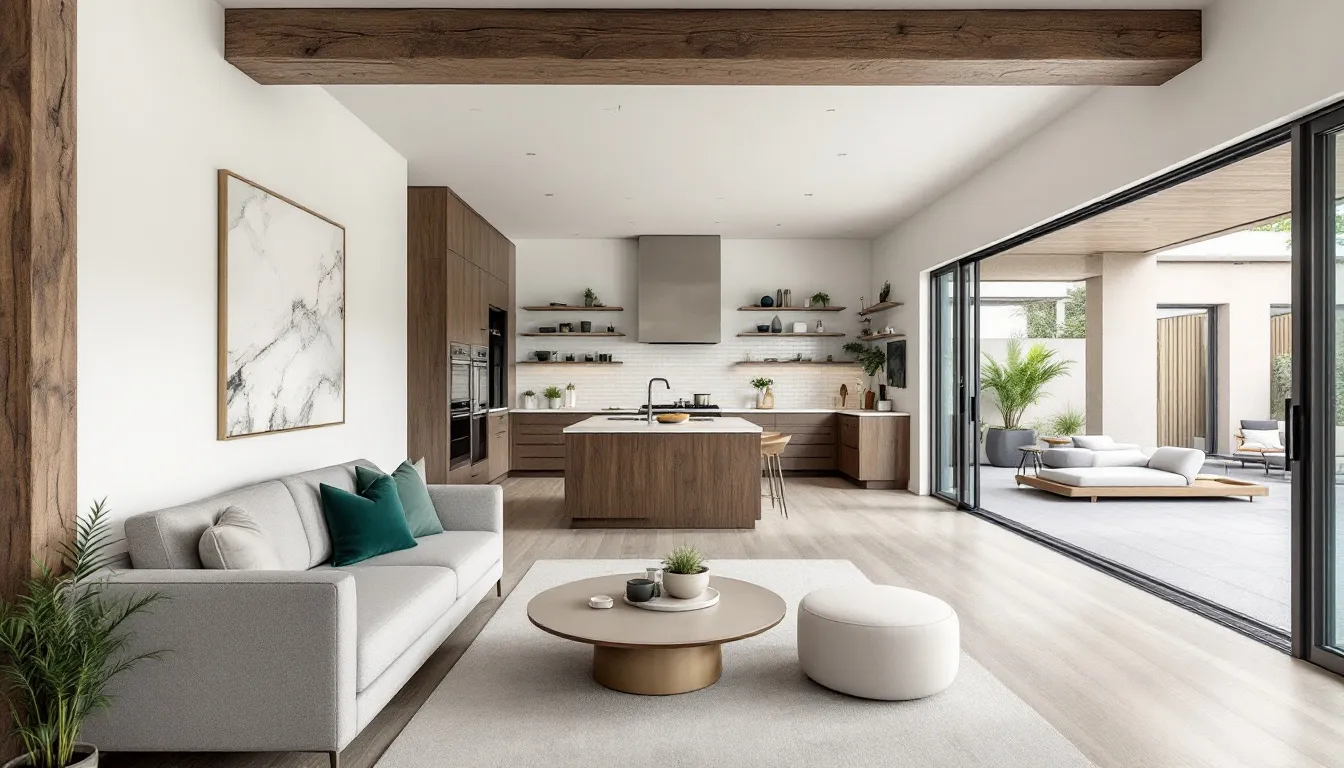
Durable materials are essential for a long-lasting renovation. Quality materials ensure durability and enhance key home features. Materials like brick, stone, and metal are known for their longevity and ability to withstand environmental factors.
Low-maintenance materials save time and costs long-term, despite higher initial investment. These choices may seem costly upfront, but when you choose materials wisely, they pay off by reducing the need for frequent repairs and replacements.
Prioritize Structural Integrity
Prioritize structural integrity before making any cosmetic updates. Addressing foundational repairs, plumbing, and electrical systems ensures long-term stability.
Regular maintenance, including prompt repairs and pest control, maintains structural integrity. Taking these steps protects your investment and ensures your home remains safe and sound.
Schedule Inspections
Post-renovation inspections ensure everything is up to code and identify any errors. A third-party inspector checks for compliance and pinpoints contractor mistakes.
If issues arise, the contractor can correct them before finalizing the project. This ensures the renovation meets all standards and provides peace of mind that the work has been done correctly.
Summary
Summarizing the key points covered, we’ve explored the essentials of budgeting, planning, hiring contractors, understanding codes, creating a plan, and focusing on energy efficiency and durability. These steps are foundational to a successful home renovation.
Embarking on a renovation journey can be challenging, but with careful planning and execution, the rewards are immense. Your dream home is within reach, so take the leap and transform your space into something truly special.
Frequently Asked Questions
What is the typical cost range for home renovations?
Home renovations typically cost between $15 and $60 per square foot, depending on factors like location and the materials you choose. So, it’ll be good to budget accordingly based on what you have in mind!
Why is it important to set a budget before starting a renovation?
It’s crucial to set a budget before starting a renovation because it keeps you on track, prevents overspending, and helps handle any unexpected costs that might arise. Sticking to a budget allows for a smoother, more organized renovation experience.
How can I ensure my renovation meets building codes?
To ensure your renovation meets building codes, make sure to follow current regulations, get the required permits, and schedule inspections throughout the process. Staying on top of these steps will help keep everything in compliance!
What should I look for when hiring a contractor?
When hiring a contractor, prioritize their reputation, proper licensing, and accreditation. Good communication is also key to ensuring a smooth project.
How can I improve energy efficiency during my renovation?
To boost energy efficiency during your renovation, prioritize upgrading insulation, replacing windows, and investing in energy-efficient appliances and lighting. These changes can make a significant difference in comfort and utility costs.

Top Remodeling Contractors for Your Next Home Project in Asheville, NC
Need reliable remodeling contractors in Asheville, NC? This guide offers tips on selecting the best professionals, services available, budgeting, and real client experiences. Key Takeaways Why Choose Professional Remodeling Contractors? Embarking on a home renovation project can be both exciting and overwhelming. However, hiring professional remodeling contractors can alleviate much of the stress and ensure…
- « Previous
- 1
- 2